 Wildflower honey
 Spicy honey
 Apple blossom honey


Honey pollen analysis
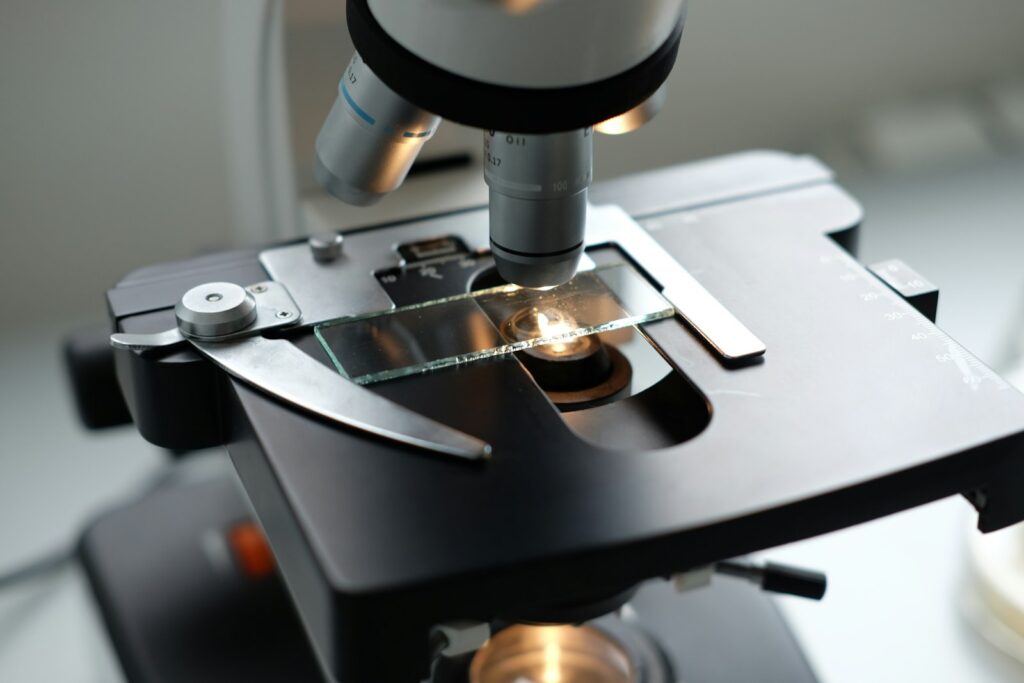
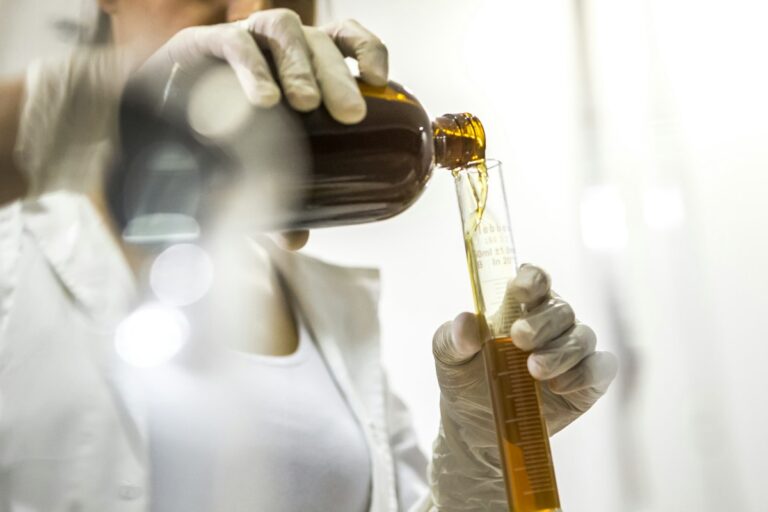
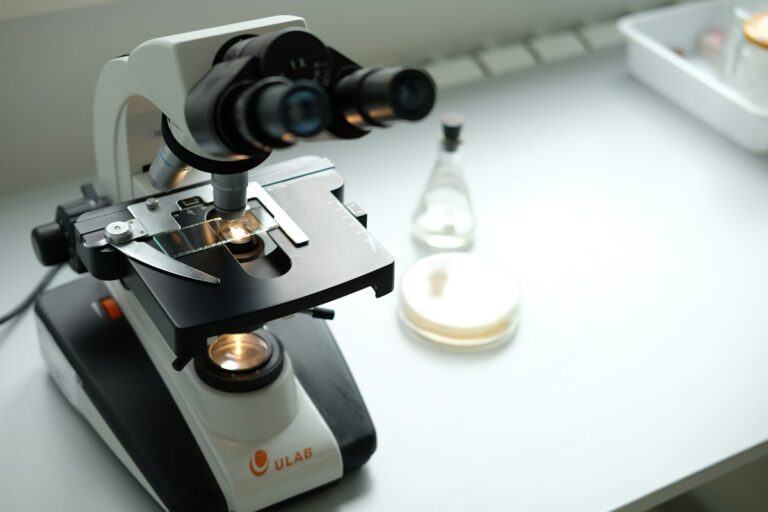
Find out which flowers your honey comes from. We analyse the pollen under the microscope and tell you which types it contains and in what percentage. Results in 48 hours.
- ⏱️ Results in 48 h
- 🔬 AI-powered microscope
- 🌼 % of each pollen type
- 📄 PDF report
What a pollen analysis is for
Whether it is monofloral (rosemary, sunflower, alfalfa…) or multifloral, and which plants your bees have visited.
Put “rosemary honey” or any other floral origin on your label, backed by an analysis.
Know which category your honey belongs to before entering it in a competition or fair.
A honey with a proven floral origin is valued more and sells better.
See which flora your bees use at each apiary and season, and plan your migrations better.
What the report includes
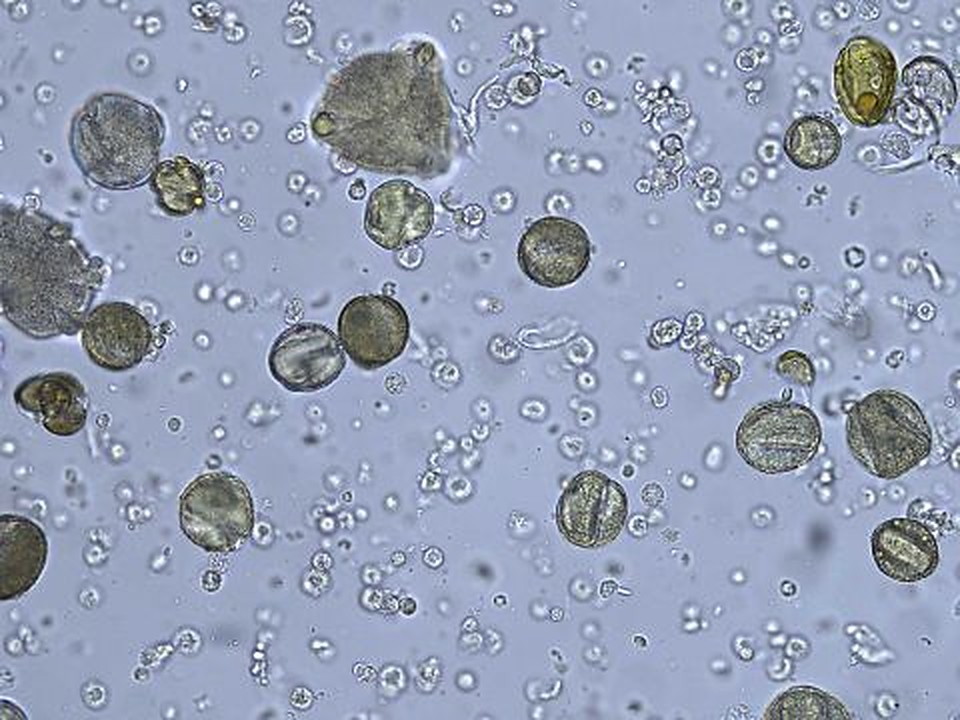
- The pollen spectrum: the pollen types and the percentage of each
- The honey’s classification: monofloral (and from which flower) or multifloral
- The pollen count, which shows the honey is natural and not over-filtered
- Presence of yeasts, which may point to fermentation
- Presence of starch, a sign of possible adulteration with syrups
- PDF report, ready to keep or share
We carry out a microscope analysis with artificial intelligence that recognises more than 70 pollen types.
How it works
- Get in touch
Call or WhatsApp us on +34 621 292 359 and we’ll tell you how to get the sample to us.
- Bring or send us the sample
A small jar of honey (about 50 g) is enough: clean, tightly closed and labelled with your name and the batch or apiary.
- Results in 48 hours
Within 48 hours of receiving the sample, we email you the report.
Frequently asked questions
What is honey pollen analysis (melissopalynology)?
Honey pollen analysis, also called melissopalynology, is the microscope study of the pollen contained in honey. Bees carry pollen from the flowers they visit into the honey; by identifying and counting it you learn the honey’s botanical origin and whether it is monofloral or multifloral.
Do you offer honey testing for beekeepers?
Yes. We test honey for beekeepers, packers and shops: bring or send us your sample and within 48 hours you get the report with the floral origin and the percentage of each pollen type.
How much does a honey pollen analysis cost?
€30 per sample. If you want to analyse several honeys, ask us.
How long does the report take?
Less than 48 hours from when we receive the sample.
How much honey do you need?
About 50 g, a small jar. It must be clean, tightly closed and labelled.
Does the analysis detect adulterated honey?
It is not an adulteration test, but it gives clues: starch may point to syrups mixed in, and a very low pollen count to over-filtered honey.
Does it work for any honey?
Yes. We analyse liquid and crystallised honey of any floral origin.
Can I put the floral origin on my label?
The analysis tells you whether your honey comes mainly from one specific flower, which is what you need to call it, for example, “rosemary honey”.
Can I use it to enter a honey competition?
It tells you which category your honey belongs to. Check each competition’s rules in case they ask for anything else.
Let us analyse your honey
Call or write to us and within 48 hours you’ll know which flowers your honey comes from.